

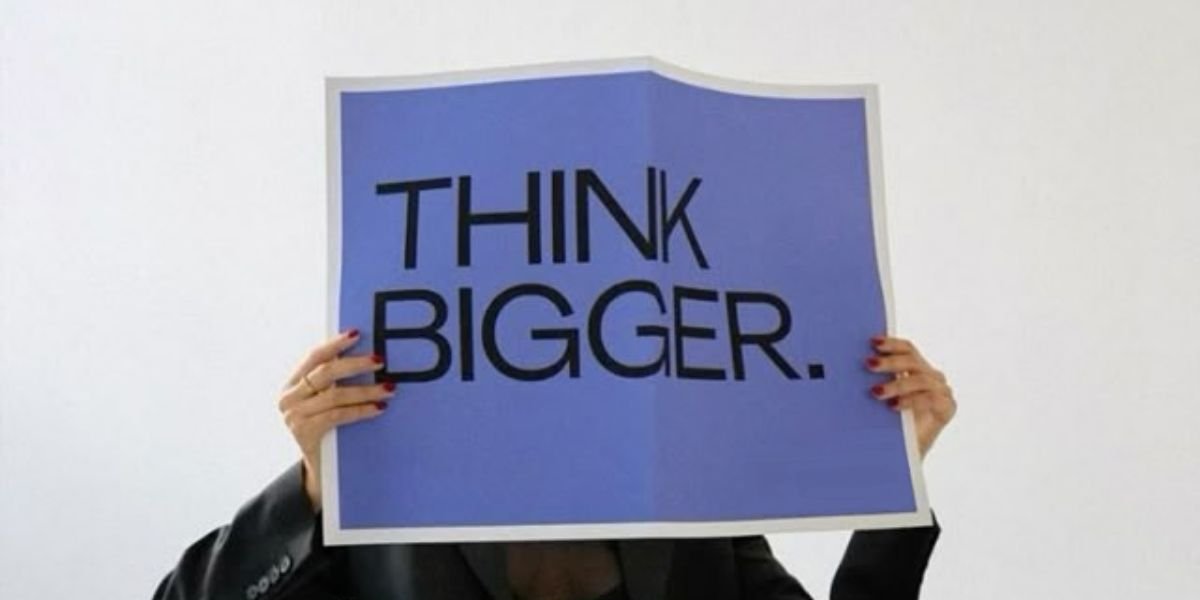
Refresh or rebrand? How to tell which one your Brand needs
"Do we need a rebrand?" comes up in a lot of first conversations. A brand that feels tired is easy to spot. Working out why it feels tired is harder. Sometimes the logo, colours and typography have simply aged; sometimes the business underneath them has changed so much that no amount of polish will make the identity fit again.
What’s the difference, really?
The two words get used interchangeably, but they describe different scales of change.
A refresh keeps the core of your brand intact and modernises how it shows up. Think of it as evolution. The name, positioning and personality stay the same. What changes is the execution: a cleaner logo, a sharper colour palette, better typography, a more flexible system that works on a phone screen as well as a printed brochure.
A rebrand goes back to first principles. It asks who you are, who you’re for and why anyone should choose you, then builds a new identity from those answers. It might mean a new name, a new visual identity, a new tone of voice, or all three. It’s revolution rather than evolution.
When a refresh is enough
A refresh is usually the right call when the foundations are sound but the surface has drifted. Signs to look for:
People still know and like you. Customers recognise the brand and associate it with the right things. That recognition is an asset, so protect it.
Your offer hasn’t fundamentally changed. You’re doing broadly the same thing, for broadly the same people, as when the identity was created.
It looks dated next to competitors. The ideas hold up, but the execution belongs to another decade.
It struggles on digital. A logo that was designed for letterheads might fall apart as an app icon, a social avatar or a favicon.
Consistency has slipped. Years of different suppliers and quick fixes have left you with five shades of the same blue and three versions of the logo.
In these cases, the job is to sharpen what’s already there and put proper guidelines around it, so it stays sharp.
When you need a rebrand
A rebrand earns its cost when the gap between who you are and how you present yourself is too wide to bridge with design alone. Signs to look for:
The business has changed shape. A merger, an acquisition, a new market or a big shift in what you sell can leave the old identity describing a company that no longer exists.
You’re talking to a different audience. If you’ve moved from consumer to trade, or from regional to international, the brand needs to speak a new language.
Your reputation is holding you back. If people’s perception of you is out of date, or simply wrong, a fresh start can signal real change, provided the change is real.
You can’t say what makes you different. If your team describes the business in five different ways, the problem isn’t the logo. It’s the positioning.
The name no longer fits. It’s too narrow, too similar to a competitor, or tied to something you’ve moved away from.
Getting it right
Neither option is the safe one by default. A refresh that should have been a rebrand leaves the real problem untouched. A rebrand that should have been a refresh spends heavily to lose what customers already valued.
The best brand work starts with a clear diagnosis, not a mood board. Get the question right and the creative answer becomes far easier to find.
Not sure which one your brand needs? It’s a conversation we’ve been having with businesses for more than 30 years. Get in touch and we’ll help you work it out.
Related articles
15 Years In: GSD Recertifies to ISO 14001
For the 15th year running, Graham Shapiro Design (GSD) has recertified to ISO 14001 - the international standard for environmental management.

Everyone’s using AI. Almost nobody’s setting the ground rules.
Ask five people at your company which AI tool they use, and you might get five different answers. That's not a small thing. AI has quietly become business infrastructure, and it deserves the same ground rules as anything else the business relies on daily.
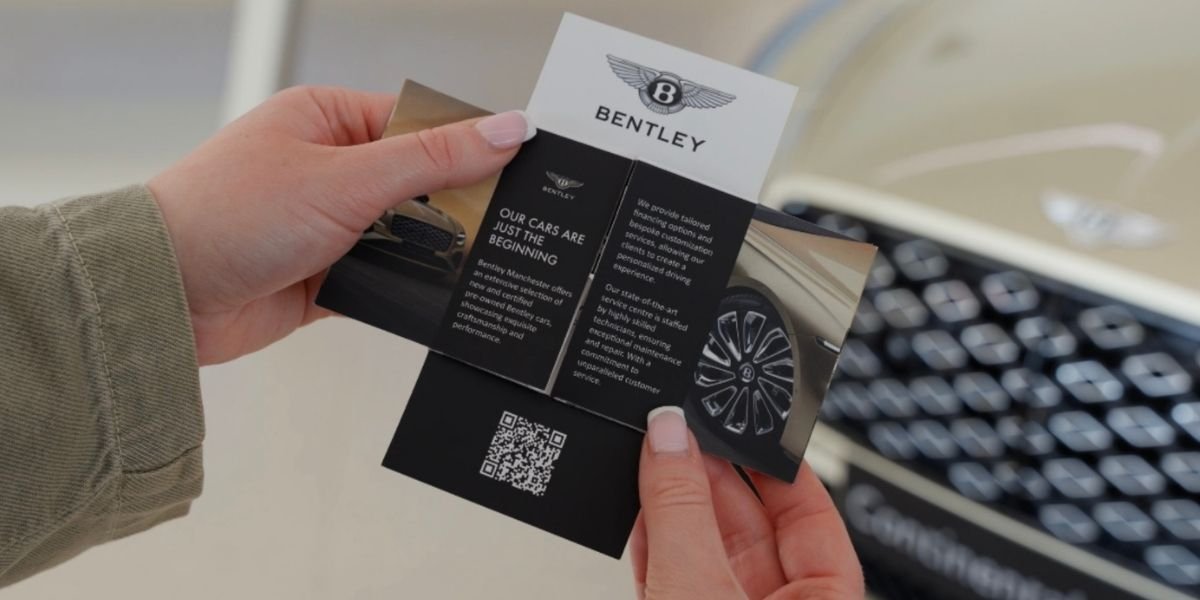
Why the world’s most digital brands still send things in the post
In luxury and automotive, physical communication is doing something digital can't. A look at why the printed piece survives, and what separates the work that earns its cost from the work that just spends it.
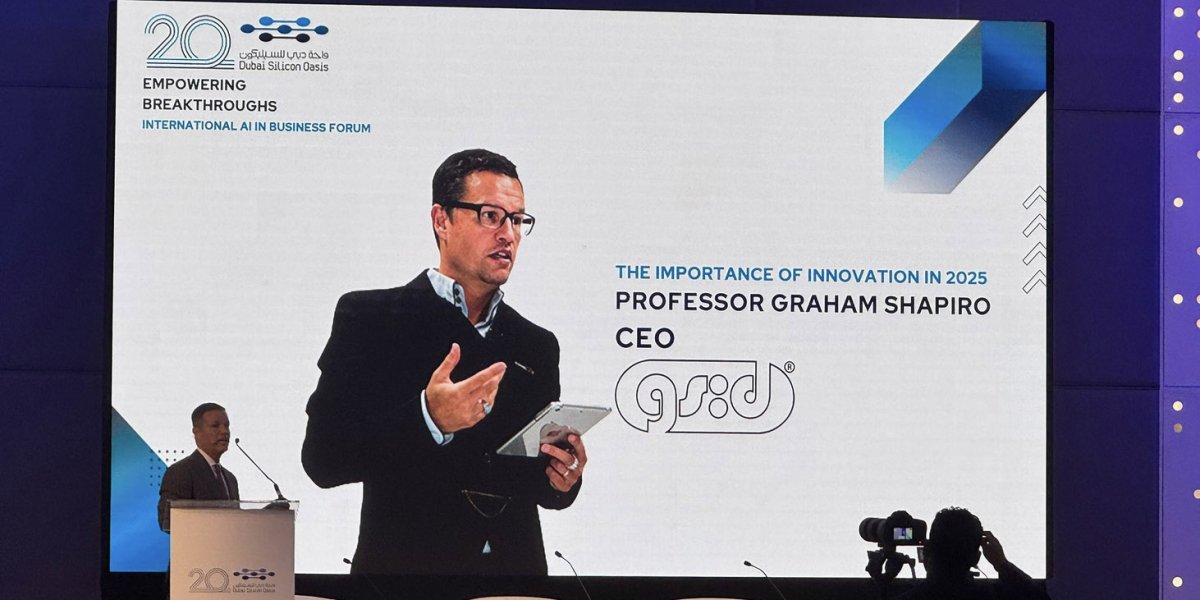
AI at GSD®
GSD® now offers AI as a service: brand, content and product work built on AI, with human creative direction and sign-off on everything that ships.